Cold snaps along the Wasatch Front hit fast. In Sandy, a furnace has to start cleanly, push steady airflow up long duct runs, and burn correctly at altitude. When it does not, the house cools down, energy bills spike, and safety risks rise. Here is what homeowners in Sandy need to know about heating repair, why local conditions matter, and how Western Heating, Air & Plumbing keeps systems reliable all winter.
Why heating repair in Sandy is different
Sandy’s elevation and dry air stress ignition systems and heat exchangers more than flatter, milder regions. Gas furnaces need proper combustion air and altitude-specific gas pressure to light cleanly. Dirty burners or a weak igniter can cause delayed ignition that sends a loud pop through the heat exchanger. Over time, those events can crack metal and lead to a home heating repair Sandy UT carbon monoxide hazard. On very cold mornings, furnaces short cycle if filters are clogged or blower wheels are out of balance, which increases wear and drops comfort room to room.
Western Heating, Air & Plumbing has tuned high-efficiency gas furnaces for Sandy homes since 1995. The team recalibrates combustion for elevation, verifies inducer motor vacuum, and tests flame sensors under load. This focus on “mountain-grade” reliability fits the way Sandy homes are built along the bench and foothills.
Signs a Sandy home needs a heating check
A yellow or flickering pilot flame signals poor combustion and can point to a carbon monoxide risk, especially after a storm front when wind-blown debris clogs intake terminations. Loud popping or banging at startup often means dirty burners or delayed ignition. A furnace that runs but does not keep the house warm may be short cycling from a bad limit switch or restricted airflow due to an overfilled filter. Uneven household airflow shows up most in multi-level homes in Willow Creek and Pepperwood, where long duct runs and tight returns make blower motor health critical. Rattling that stops when the blower shuts off usually tracks back to a loose blower wheel or a failing run capacitor.
If the thermostat seems fine but the furnace does nothing, the common Sandy culprits are a cracked igniter, a fouled flame sensor, or an inducer motor that fails to pull the pressure switch closed. These parts age faster here because of frequent cold starts and dry indoor air.
What a proper heating repair includes
A good repair begins with measurements. Static pressure across the system tells the truth about airflow. A manometer reading on the gas valve and a combustion analyzer check the burn. Temperature rise across the heat exchanger confirms the blower speed and duct system are matched to the furnace size.
On the parts side, technicians inspect the igniter for hairline cracks that open under heat, clean or replace the flame sensor if the microamp signal is weak, and verify the inducer motor bearings are quiet and tight. The control board gets checked for burnt traces, the limit switch for nuisance trips, and the blower wheel for dust loading that throws it out of balance. In homes with high-efficiency modulating furnaces, the tech will also confirm condensate drainage and pressure switch tubing are clear, which prevents random shutdowns on freezing nights.
Western Heating, Air & Plumbing specializes in testing flame sensors and replacing failed igniters or inducer motors to get your system back online quickly. For heat pumps and ductless mini-splits, they examine the defrost cycle timing, the outdoor fan motor, and the run capacitor to stop icing and restore steady heat output.
Local reach and fast response in Sandy
Proximity matters during a no-heat call. Located near America First Field and The Shops at South Town, Western’s crews can reach Historic Sandy, East Sandy Bench, and Crescent in minutes. The company provides rapid-response heating diagnostics for residents in the 84092 and 84070 zip codes, with full coverage across 84090, 84091, 84093, and 84094. Technicians know the traffic patterns around Dimple Dell Regional Park, Sandy City Hall, the Mountain America Expo Center, and Alta View Hospital, which helps them arrive when they say they will.
Homes in Willow Creek and Pepperwood often sit higher on the bench and face stronger winds. Those sites benefit from tighter venting checks and altitude-specific gas valve settings. West-side neighborhoods nearer to White City and Silver Sage tend to have older ductwork, so repairs often include sealing return leaks and replacing MERV-rated air filters sized to the blower.
Brands, systems, and parts they service
Most Sandy homes run natural gas furnaces, but there is a growing mix of hybrid heat pumps and ductless mini-splits. Western services natural gas and electric furnaces, variable-speed heat pumps, high-efficiency modulating furnaces, and package units. The team works on Goodman, Rheem, York, Bryant, Amana, and Frigidaire, and handles high-end models from Carrier, Trane, American Standard, Lennox, and Mitsubishi Electric.
For homeowners eyeing an upgrade, a Trane TruComfort variable-speed system helps maintain even temperature on long winter nights while saving energy. Western carries factory-authorized parts for Carrier, Lennox, Trane, and American Standard, and stocks common components like igniters, flame sensors, thermocouples, inducer motors, blower wheels, control boards, gas valves, limit switches, run capacitors, and MERV-rated filters. That local stocking model matters to anyone searching heater repair parts near me during a cold spell.
Safety checks that matter at altitude
Carbon monoxide risk rises when a heat exchanger cracks or the flame lifts off the burner. A CO monitor reading is not a full test. A proper inspection includes a visual exam with mirrors or cameras, a combustion analysis, and a heat exchanger pressure test when warranted. Western offers a comprehensive furnace safety inspection and heat exchanger check, which includes verifying venting slope, intake and exhaust terminations, and the integrity of the blower compartment seals.
Many Sandy homes also have gas water heaters sharing vent paths. A repair call often includes confirming draft on both appliances, since backdrafting can occur when bath fans and dryers run in tight houses.
Preventing breakdowns in Sandy’s winter
Small steps prevent big bills. Change the air filter every one to three months depending on MERV rating and dust load. Keep outside intake and exhaust pipes clear of frost rime and wind-blown leaves. Set thermostats to fewer large setbacks; big temperature swings cause repeated ignition cycles that strain igniters. If a furnace short cycles, do not keep resetting it. That behavior points to overheating, a blocked filter, or a failing limit switch.
Annual maintenance pays off here because altitude and dry air change combustion and static pressure over time. Western’s NATE-certified technicians recalibrate high-efficiency gas furnaces for Sandy’s elevation, clean burners, test the flame sensor microamp draw, and measure temperature rise to set blower speeds. For heat pumps, they verify refrigerant charge with weighed methods, check reversing valves, and confirm defrost timing so coils do not freeze during inversions.
What to expect during a Western repair visit
- Arrival from a nearby hub in Sandy, with 24/7 emergency dispatch available on storm nights. Upfront pricing presented after diagnosis so homeowners can approve repairs with clear numbers. A written report with measured readings, replaced parts, and recommendations. Clean work practices that protect flooring and leave the mechanical room tidy. Final run test verifying ignition sequence, blower ramp profile, and thermostat accuracy.
Real examples from Sandy homes
A two-story in 84092 near Alta Canyon had loud bangs at startup. Testing found dirty burners and a weak igniter. After cleaning the burners, replacing the igniter, and recalibrating gas pressure for altitude, the temperature rise stabilized and the noise disappeared.
A rambler near Crescent showed cold bedrooms and a furnace that shut down after five minutes. Static pressure was high due to a clogged 1-inch filter and a dust-loaded blower wheel. The team installed a media filter cabinet, cleaned the blower wheel, and adjusted the blower speed tap. The home heated evenly, and cycling stopped.
A townhome by The Shops at South Town had a furnace lockout on windy nights. The inducer motor started slow and failed to close the pressure switch. Replacing the inducer and clearing the intake screen solved the intermittent outages.
Service attributes that matter in a cold snap
Western Heating, Air & Plumbing is a BBB A+ Accredited, family-owned, third-generation business founded in 1995 and serving Salt Lake County from Sandy to Draper, Midvale, Cottonwood Heights, South Jordan, Riverton, Herriman, and Salt Lake City. Technicians carry NATE certification, and the company is licensed and insured. They offer 24/7 emergency service, deliver upfront pricing, and stand behind repairs with clear documentation.
Homeowners searching for heating repair Sandy UT or residential heating repair Sandy UT want a prompt fix and a safe, steady home. Western’s local inventory and brand expertise reduce downtime. Their experience with high-efficiency modulating furnaces and variable-speed heat pumps suits Utah winters and Sandy’s elevation.
When it makes sense to replace rather than repair
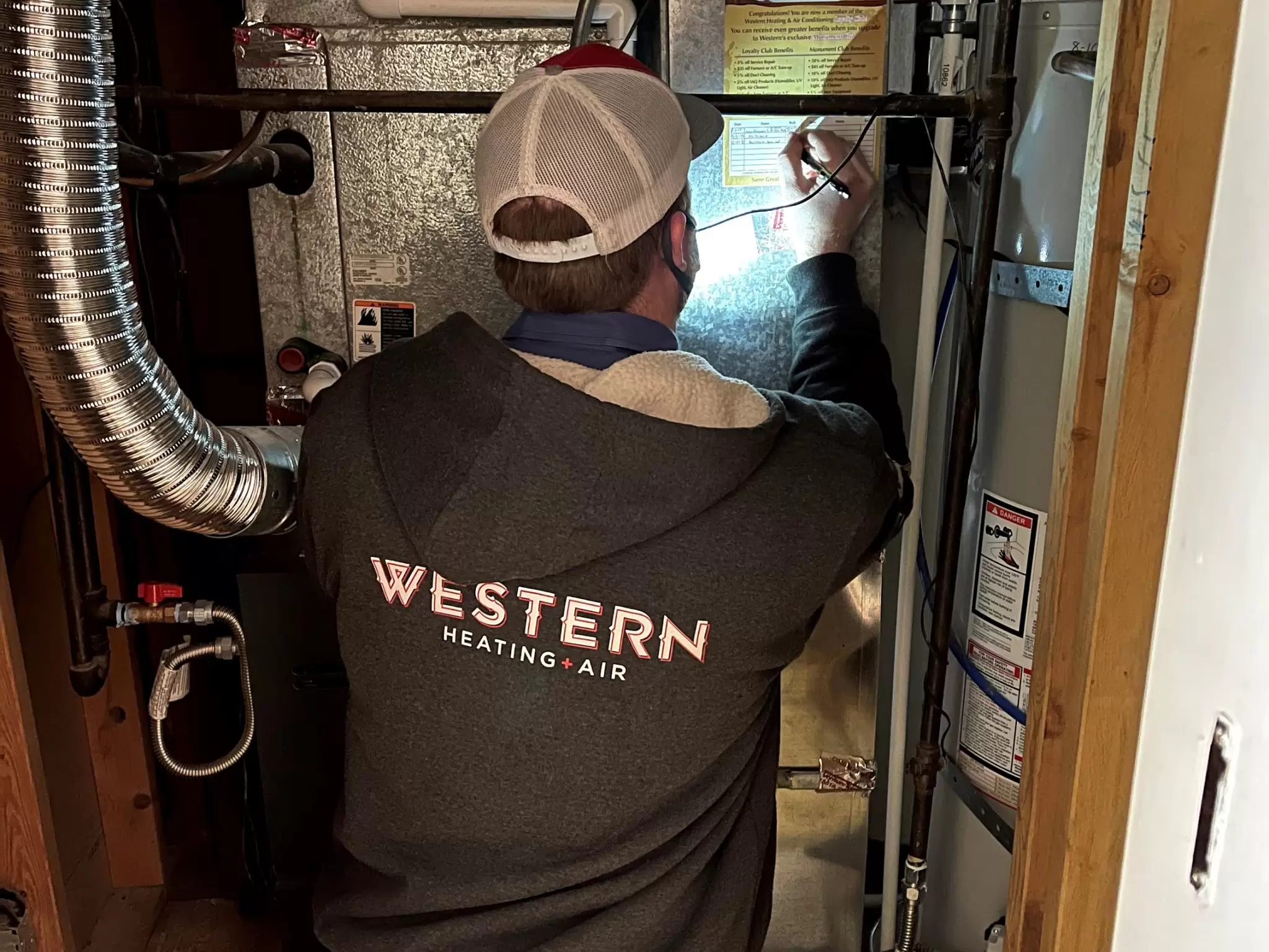
If a heat exchanger is cracked, replacement is the safe choice. If repair costs exceed roughly a third of the price of a new system, and the furnace is over 12 to 15 years old, investing in a high-efficiency unit can cut energy bills and improve comfort. Homes along the East Sandy Bench and Willow Creek often benefit from variable-speed blowers that maintain airflow through longer duct runs. Smart thermostat integration can stabilize temperature swings and prevent short cycling. Western installs Carrier, Trane, Lennox, and American Standard systems and can match equipment to duct capacity using measured static pressure heating repair Sandy UT and load calculations rather than guesswork.
Ready for help right now
Cold mornings should be quiet, warm, and safe. If there is a rattle, a flickering pilot, or a furnace that fails to stay lit, schedule heating repair Sandy Utah with Western Heating, Air & Plumbing. Call for 24/7 emergency service or book a same-day diagnostic online. Ask for a comprehensive furnace safety inspection and heat exchanger check, and get clear, upfront pricing before any work begins.
Western Heating, Air & Plumbing provides HVAC and plumbing services for homeowners and businesses across Sandy and the surrounding Utah communities. Since 1995, our team has handled heating and cooling installation, repair, and upkeep, along with ductwork, water heaters, drains, and general plumbing needs. We offer dependable service, honest guidance, and emergency support when problems can’t wait. As a family-operated company, we work to keep your space comfortable, safe, and running smoothly—backed by thousands of positive reviews from satisfied customers.
Western Heating, Air & Plumbing
9192 S 300 W
Sandy,
UT
84070,
USA
231 E 400 S Unit 104C
Salt Lake City,
UT
84111,
USA
Phone: (385) 233-9556
Website: https://westernheatingair.com/, Furnace Services
Social Media:
Instagram |
Facebook |
BBB
Map: View on Google Maps